


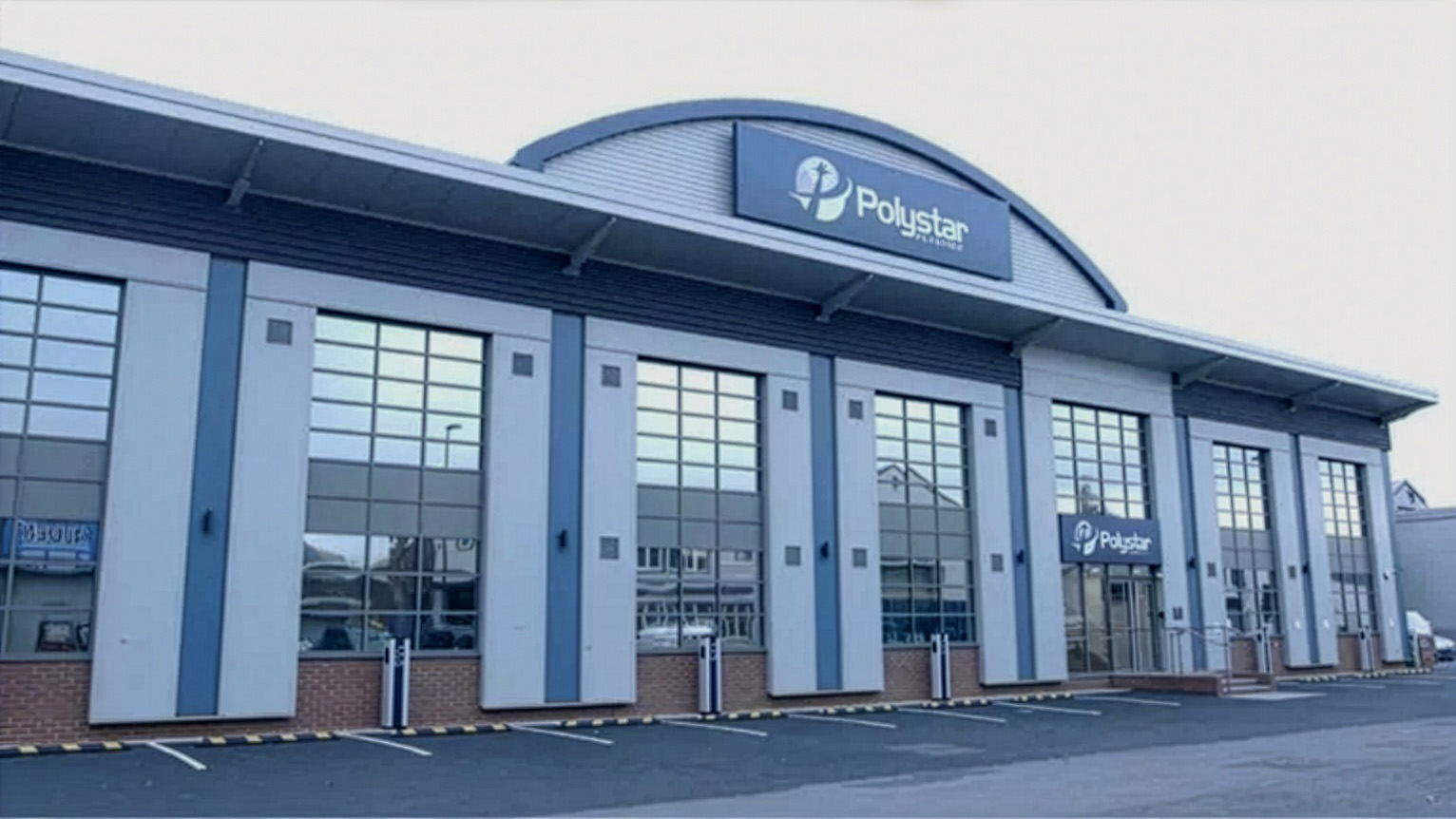

Polystar Plastics is a UK-based plastics manufacturer operating an industrial production facility with a range of energy-intensive processes. As part of their commitment to improving operational efficiency and meeting regulatory requirements, Polystar Plastics commissioned Inteb to complete an Energy Savings Opportunity Scheme (ESOS) assessment.
Given the nature of plastics manufacturing, the site’s energy profile is driven by high-demand equipment such as extrusion presses, electric motors, water chillers, and compressed air systems, alongside general site services including heating, ventilation, cooling, lighting and hot water.
Polystar Plastics sought expert support to understand their energy consumption patterns, quantify their associated carbon footprint, and identify practical opportunities to reduce both energy use and operational costs while maintaining production performance.
Polystar Plastics aimed to strengthen their energy management and sustainability performance through the following objectives:
Comprehensive ESOS Assessment:
Energy Performance Analysis:
Energy and Carbon Footprint Reporting:
Identification of Energy Saving Opportunities:
Inteb worked closely with Polystar Plastics to gain a detailed understanding of their operations and energy usage, ensuring the ESOS assessment reflected the challenges of a working manufacturing site.
1. On-Site Assessment and Operational Insights
To ensure a comprehensive understanding of the site, our team conducted a site visit to observe production processes and identify high-energy equipment in operation. This allowed us to:
2. Energy Data Analysis
A detailed analysis of half-hourly electricity consumption data was carried out to identify:
Due to the nature of plastics manufacturing, traditional intensity metrics such as floor area or employee numbers were not appropriate. Instead, we explored alternative approaches to develop a more meaningful energy intensity indicator aligned with production activity.
3. Identification of Energy Saving Opportunities
The ESOS assessment identified seven energy saving opportunities across the site. Each measure included estimated:
One key recommendation involved improving energy monitoring and targeting through the installation of sub-metering systems. By providing better visibility of energy use and encouraging behavioural changes among site staff, Polystar Plastics could potentially achieve savings of approximately:
Across all identified opportunities, the average payback period was approximately 4.4 years, demonstrating strong financial and environmental benefits from implementing the recommended measures.
Conclusion
Through our ESOS assessment, Polystar Plastics gained a clearer understanding of their energy consumption, operational efficiency and carbon footprint. By combining on-site observations, detailed data analysis and practical energy reduction recommendations, we were able to identify a number of opportunities to reduce costs and emissions across the site. This project highlights how industrial
manufacturing facilities can benefit from targeted energy analysis and improved monitoring, enabling organisations to reduce energy waste and improve operational efficiency.
If Polystar Plastics’ success inspires you to explore similar initiatives within your organisation, we invite you to get in touch with us. Follow us on LinkedIn or visit our website to learn more about how we support businesses in improving energy performance and reducing their carbon footprint.
Client: Polystar Plastics
Website:
https://www.polystar.co.uk/