


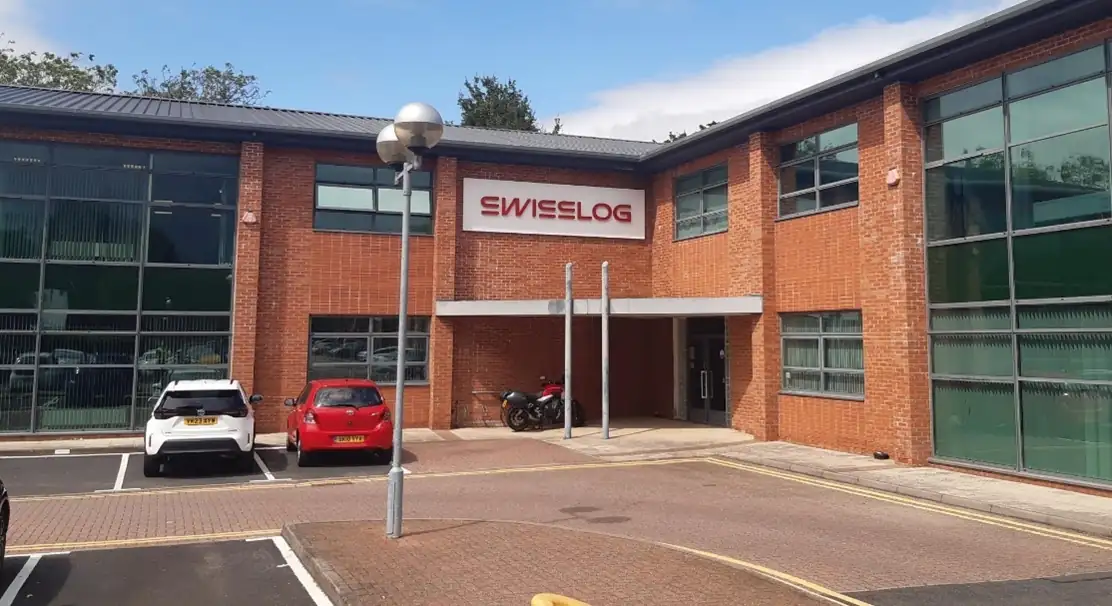

Swisslog is a global provider of automated logistics and warehouse solutions, supporting organisations with advanced robotics, software and automation technologies. With offices and operational facilities supporting its UK activities, Swisslog recognises the importance of managing energy consumption within its buildings and ensuring compliance with environmental regulations.
To support its sustainability objectives and regulatory obligations, Swisslog engaged Inteb to undertake an Energy Savings Opportunity Scheme (ESOS) Phase 3 audit and action plan submission. The project focused on analysing the site’s energy consumption, benchmarking its performance and identifying practical opportunities to reduce energy use and associated costs.
Swisslog sought to improve visibility of its energy performance while ensuring compliance with regulatory reporting requirements. Key objectives included:
ESOS Phase 3 Compliance:
Energy Performance Assessment:
Energy Benchmarking:
Identification of Energy Saving Opportunities:
Inteb worked closely with Swisslog to gain a clear understanding of how the site operates and how energy is consumed across its facilities.
To support the ESOS audit, our team conducted a site visit to observe the building and operational processes first-hand. During this visit, we:
We carried out a detailed analysis of Swisslog’s electricity and natural gas consumption, including a degree day analysis to assess whether heating demand aligned with weather patterns and building usage. The results demonstrated that the site performs significantly better than typical office benchmarks. When compared with the CIBSE TM46 benchmark for air-conditioned offices, the site’s energy use was substantially lower:
This analysis confirmed that Swisslog’s building operations were already performing at a high level of efficiency compared to industry standards.
Despite the site’s strong energy performance, Inteb identified four energy saving opportunities to further improve efficiency. Each opportunity included detailed estimates of:
One notable opportunity involved the installation of a rooftop solar PV system. A 43 kWp solar PV array installed across the South East and South West facing roofs could generate significant on-site renewable energy, delivering estimated annual savings of approximately:
Across all identified measures, the average payback period was approximately 4 years, demonstrating strong financial viability.
Conclusion
Through our collaboration with Swisslog, Inteb successfully delivered a comprehensive ESOS Phase 3 audit support, providing the organisation with valuable insights into its energy performance and opportunities for further improvement.
The project highlighted Swisslog’s strong operational efficiency compared with industry benchmarks while also identifying practical energy saving opportunities, including the potential for on-site renewable energy generation.
This case study demonstrates how detailed energy analysis, benchmarking and on-site assessments can help organisations maintain regulatory compliance while continuing to improve their energy performance.
If Swisslog’s experience inspires you to explore energy efficiency improvements or strengthen your regulatory reporting, we invite you to get in touch with us.
Follow us on LinkedIn or visit our website to learn more about how we support organisations in improving energy performance and reducing operational costs.
Client: Swisslog
Website:
https://www.swisslog.com